How to Buy and Sell a Home at the Same Time Without Losing Your Sanity
Part 2 of the Moving Up with Confidence Series
Selling your current home while purchasing another can feel like trying to solve a puzzle with moving pieces.
You need to sell your home, find your next home, coordinate financing, negotiate timelines, pack, move, and somehow maintain your sanity throughout the process.
If that sounds overwhelming, you're not alone.
The good news is that thousands of homeowners successfully buy and sell at the same time every year. The difference between a stressful experience and a smooth one often comes down to having a plan.
Let's walk through the process.
Step 1: Know Your Numbers Before You Start Shopping
One of the biggest mistakes homeowners make is looking at homes online before understanding what they can realistically afford.
Before you start touring homes, meet with:
- A trusted real estate professional
- A lender
- A financial advisor if needed
You need answers to questions such as:
- How much equity do I have?
- How much cash will I walk away with after selling?
- What will my next mortgage payment look like?
- How much money will I need for closing costs and moving expenses?
Knowing your numbers creates confidence and prevents disappointment later.
Step 2: Decide Whether to Sell First or Buy First
There's no one-size-fits-all answer.
Selling First
Advantages:
- You know exactly how much money you have available.
- Less financial risk.
- Stronger position when making offers.
Challenges:
- You may need temporary housing.
- You could feel pressure to find a new home quickly.
Buying First
Advantages:
- More time to find the right home.
- No temporary move required.
Challenges:
- May require additional financing.
- Increased financial responsibility if both homes overlap.
The best option depends on your financial situation, local market conditions, and comfort level.
Step 3: Understand Your Equity Position
Your home may be one of your largest financial assets.
Before making any decisions, understand:
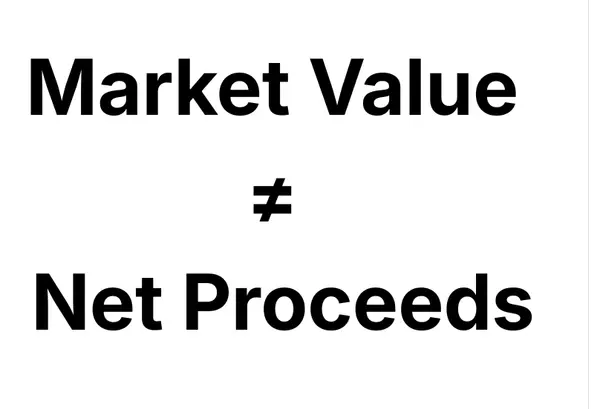
- Current market value
- Mortgage payoff amount
- Estimated closing costs
- Potential proceeds after closing
Many homeowners are surprised to learn they have more equity than they realized.
That equity could become the down payment on your next home.
Step 4: Prepare Your Home Before It Hits the Market
The goal is to maximize your home's appeal from day one.
Focus on:
- Decluttering
- Cleaning
- Minor repairs
- Touch-up paint
- Curb appeal
- Professional photography
Remember, today's buyers are comparing your home to every other home they see online.
Preparation often translates into stronger offers and fewer days on market.
Step 5: Create a Timeline That Works for Both Transactions
Timing is everything when buying and selling simultaneously.
Work with your agent to map out:
- Listing date
- Showing schedule
- Offer review timeline
- Home search timeline
- Closing dates
- Moving dates
The more you plan upfront, the fewer surprises you'll encounter later.
Step 6: Explore Your Timing Options
Many homeowners don't realize there are several ways to coordinate both transactions.
Depending on your situation, you may consider:
Contingent Offers
Your purchase depends on the successful sale of your current home.
Extended Closing Dates
Additional time after contract acceptance before closing.
Temporary Occupancy Agreements
Allows you to remain in your home for a short period after closing while transitioning to your next property.
Bridge Financing
Short-term financing that can help cover the gap between selling and buying.
Not every option works for every situation, but understanding your choices can provide flexibility.
Step 7: Expect Some Emotional Moments
Buying and selling at the same time isn't just a financial transaction.
It's emotional.
You may experience:
- Excitement
- Anxiety
- Second-guessing
- Stress
- Relief
That's normal.
Your current home likely holds memories, milestones, and years of your life.
At the same time, your next home represents new opportunities and new memories waiting to be made.
Give yourself grace throughout the process.
Step 8: Stay Focused on the Goal
When challenges arise—and they probably will—remember why you started.
Maybe you're:
- Creating more space for your growing family.
- Downsizing after the kids have moved out.
- Moving closer to loved ones.
- Reducing your commute.
- Building long-term wealth through real estate.
The process may not be perfect, but the outcome can be worth it.
The Bottom Line
Buying and selling a home at the same time requires planning, flexibility, and the right team guiding you through the process.
You don't have to have all the answers before you start.
You simply need a strategy.
When you understand your numbers, know your options, and have a clear plan in place, you can move forward with confidence—regardless of market conditions.
Ready to Create Your Move-Up Plan?
Every homeowner's situation is unique. If you're considering selling your current home and purchasing another, let's discuss your goals, timeline, and equity position.
Together, we can build a strategy that helps you move with confidence.
Coming Next in the Moving Up with Confidence Series
Part 3: 5 Costly Mistakes Move-Up Buyers Make (And How to Avoid Them)
Categories
Recent Posts